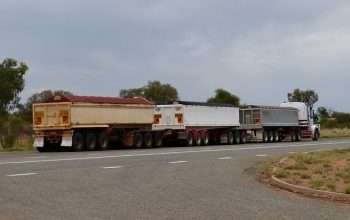
The Vehicle Identification Number (VIN) decoder is a powerful tool for fleet managers of semi-trucks, offering access to detailed vehicle history and specifications. By decoding VINs, managers can ensure driver safety, maintain regulatory compliance, identify recall issues promptly, optimize maintenance scheduling based on truck histories, and foster a culture of responsible transportation.
Introduction:
In the vast landscape of commercial trucking, where safety and efficiency are paramount, decoding a semi-truck’s Vehicle Identification Number (VIN) stands as a critical practice. This process serves as a compass, guiding fleet managers and owners through a web of information about their vehicles’ past, present, and potential future. Recent industry events, such as mass recalls due to safety concerns, have underscored the importance of proactive VIN decoding. By delving into this process, stakeholders gain access to vital specifications, manufacturing details, and historical data, enabling them to manage recalls effectively, ensure compliance, and maintain fleet integrity. This article explores the multifaceted role of VINs in modern trucking operations.
- Understanding the VIN: A Key to Vehicle Identification
- Decoding Data: Unlocking Truck Specifications and History
- Safety First: VINs and Recall Management
- Compliance and Regulation: Keeping Your Fleet in Check
- Efficient Maintenance: Proactive Issue Identification
Understanding the VIN: A Key to Vehicle Identification

A Vehicle Identification Number (VIN) is a unique code consisting of 17 characters that serves as a fingerprint for each vehicle. It’s a comprehensive identifier that encapsulates a wealth of information about the truck, from its year and manufacturing plant to specific features and model variants. Decoding this number is akin to unlocking a secret vault of details crucial for understanding the vehicle’s identity and performance history.
Each character in a VIN has a specific meaning, allowing experts to trace back every step of the vehicle’s journey. This includes information on the manufacturer, model year, body style, engine specifications, and even previous owners. For instance, the first three characters represent the manufacturer, while subsequent digits provide insights into the model, production year, and unique features. By deciphering this code, fleet managers can make informed decisions about maintenance, upgrades, and replacement parts, ensuring their trucks meet safety standards and operate efficiently.
Decoding Data: Unlocking Truck Specifications and History

Decoding a Vehicle Identification Number (VIN) is like unlocking a truck’s secret code, revealing a wealth of information vital for safety and operational efficiency. Each character in the VIN corresponds to specific data points – from the manufacturer and model year to unique vehicle features and service history. By employing a dependable VIN decoder tool, fleet managers can access precise details about their semi-trucks, including engine specifications, chassis dimensions, and even prior ownership records.
This process is not just about knowing what’s under the hood; it’s about ensuring the safety of drivers, maintaining regulatory compliance, and preventing costly repairs or recalls. For instance, understanding a truck’s history can help identify potential issues that might require proactive maintenance, thereby reducing risks on the road and keeping operations running smoothly.
Safety First: VINs and Recall Management

In today’s digital era, fleet managers and truck owners have a powerful tool at their disposal—the Vehicle Identification Number (VIN) decoder. Safety should always be the top priority when managing a fleet of semi-trucks, especially given the potential risks associated with mechanical failures. VINs serve as a unique fingerprint for each vehicle, offering invaluable insights into its history and specifications. By decoding this information, managers can proactively identify vehicles affected by recalls or safety issues, such as the recent steering failure outbreak that impacted numerous manufacturers.
Proactive recall management is crucial in maintaining a safe fleet. A reliable VIN decoder enables stakeholders to cross-reference their vehicle’s details with manufacturer databases, ensuring that every truck in the fleet adheres to safety standards. This process allows for swift action when recalls are issued, minimizing downtime and potential accidents caused by defective parts.
Compliance and Regulation: Keeping Your Fleet in Check

In today’s highly regulated transportation industry, compliance with safety standards is non-negotiable. A Semi-Truck VIN decoder serves as a powerful tool to ensure that fleet managers are adhering to these regulations. By accessing detailed vehicle information, they can verify critical aspects such as emissions control, safety features, and structural integrity. Regularly scanning the VINs of all trucks in the fleet enables proactive identification of potential issues and ensures that any recalls or regulatory changes are promptly addressed.
This diligence is particularly crucial considering the severe consequences of non-compliance, including fines, legal repercussions, and damage to a company’s reputation. By staying ahead of regulatory requirements through effective VIN decoding practices, fleet managers demonstrate their commitment to maintaining safe operating standards, ultimately contributing to a more reliable and responsible transportation sector.
Efficient Maintenance: Proactive Issue Identification

Efficient maintenance involves more than just regular servicing; it’s about anticipating potential problems before they cause breakdowns or safety hazards. A VIN decoder plays a pivotal role in this proactive approach by providing detailed insights into a semi-truck’s history. With this tool, fleet managers can access records of previous owners, service centers, and any reported issues. By analyzing this data, they can identify patterns, spot recurring problems specific to certain makes or models, and take targeted preventive measures.
This proactive issue identification allows for more efficient maintenance scheduling, ensuring that trucks are serviced at optimal intervals based on their unique histories and operational demands. It also enables managers to order the right replacement parts in advance, reducing downtime and enhancing overall fleet productivity.
In conclusion, decoding a semi-truck’s VIN is not just a technical exercise; it’s a critical tool for fleet managers and owners to ensure safety, efficiency, and regulatory compliance. By understanding and utilizing this process, they can proactively identify potential issues, manage recalls effectively, and maintain the integrity of their operations, ultimately contributing to a safer and more responsible transportation industry.