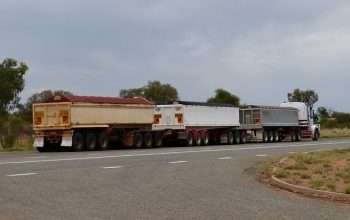
In the modern automotive industry, maintaining transparent records of truck history through Vehicle Identification Number (VIN) decoders is crucial for fleet managers and owners. These online tools provide access to detailed specifications, manufacturing details, and historical ownership information, facilitating safety assessments, risk management, and informed decision-making. VIN history reports offer insights into a truck's past, including previous owners, service history, and accident reports, aiding in identifying recurring issues and prioritizing maintenance. Regular VIN decoding helps uncover potential hazards and non-compliance issues, enabling proactive risk mitigation strategies. By leveraging these tools, fleet managers can enhance safety, optimize maintenance schedules, and ensure the efficient operation of their truck fleets.
Decoding a Semi-Truck Vehicle Identification Number (VIN) is an indispensable practice for fleet managers and truck owners, crucial for maintaining safe and efficient operations. A VIN provides intricate details about the vehicle’s specifications, manufacturing quality, and history—information vital for proactive safety measures. Recent high-profile incidents, such as large-scale steering failures affecting major manufacturers, highlight the importance of this process. By leveraging a reliable VIN decoder, stakeholders can identify potential risks early, ensure compliance with safety standards, and maintain the integrity of their fleets. This article delves into the significance of VIN decoding, its benefits for fleet management, and how technology plays a pivotal role in enhancing safety and operational efficiency.
- Understanding the Importance of VIN Decoding
- Unlocking Vehicle Data with a VIN Decoder
- Historical Insights through VIN History Reports
- Ensuring Safety and Compliance with VIN Analysis
- Identifying Potential Issues Early On
- The Role of Technology in Fleet Management
Understanding the Importance of VIN Decoding

In today’s digital era, where vehicle technology is constantly evolving, maintaining accurate records and ensuring transparency about a truck’s history has become more critical than ever. A Vehicle Identification Number (VIN) decoder plays a pivotal role in this process by providing fleet managers and owners with a wealth of information that goes beyond what meets the eye. By simply entering the unique VIN code, users gain access to a treasure trove of data, including detailed specifications, manufacturing dates, and even historical ownership records.
This practice is not just about curiosity; it’s a vital tool for safety assessments and risk management. For instance, during product recalls or when monitoring vehicle maintenance history, having access to comprehensive VIN data allows managers to identify specific trucks affected by issues like steering failures, ensuring prompt action and minimizing potential risks to drivers and the general public.
Unlocking Vehicle Data with a VIN Decoder

A Vehicle Identification Number (VIN) decoder is a powerful tool that provides access to an extensive database, revealing a wealth of information about a semi-truck’s identity and history. By simply entering the unique 17-character VIN into an online decoder, fleet managers and owners can uncover crucial details such as the manufacturer, model year, engine specifications, and even previous ownership records. This level of transparency is invaluable for identifying potential safety concerns or compatibility issues with specific parts and services.
The process empowers stakeholders to make informed decisions, ensuring that each vehicle in their fleet meets the required standards. It also plays a significant role in preventing accidents by enabling the early detection of known issues or recalls, thereby promoting a culture of safety and responsibility within trucking operations.
Historical Insights through VIN History Reports

VIN history reports offer more than just current information; they serve as a time machine for fleet managers and owners, providing insights into a truck’s past. These detailed records trace the vehicle’s journey from manufacturing to its current state, revealing previous owners, service history, accident reports (if any), and maintenance records. This historical data is invaluable for identifying patterns—for instance, recurring issues in a particular model or manufacturer that could indicate broader problems.
By reviewing past events, stakeholders can make informed decisions about future purchases, prioritizing safety features and reliable brands. Moreover, understanding the truck’s history helps in gauging its overall condition and predicting potential future maintenance needs, contributing to proactive fleet management strategies.
Ensuring Safety and Compliance with VIN Analysis

Ensuring safety and compliance is paramount for fleet managers and truck owners. Regularly decoding the Vehicle Identification Number (VIN) allows them to access critical data about the vehicle’s construction, components, and maintenance history. This information can highlight potential safety hazards or non-compliance issues that may have been overlooked during initial inspections.
For instance, a VIN decoder might reveal previous accident reports, modifications made to the truck’s original specifications, or service records indicating recurring problems with specific parts. This knowledge enables proactive measures to mitigate risks. By identifying trucks prone to certain failures or those that haven’t undergone mandatory safety inspections, fleet managers can take immediate action, such as recalling vehicles from service, conducting thorough checks, or implementing targeted maintenance programs.
Identifying Potential Issues Early On

By decoding a semi-truck’s VIN, fleet managers and owners gain access to a wealth of information that can help identify potential issues early on. This includes details about the vehicle’s construction, materials used, and any previous repairs or modifications. With this knowledge, they can proactively address emerging problems before they escalate into safety hazards or cause costly breakdowns.
For instance, VIN decoding might reveal a history of steering components being replaced, indicating a potential weakness in that area. This insight allows for targeted maintenance schedules and the procurement of specific spare parts, minimizing the risk of unexpected failures on the road. Such proactive measures contribute significantly to maintaining fleet safety and operational efficiency.
The Role of Technology in Fleet Management

In today’s digital era, technology plays an indispensable role in fleet management. Advanced tools like vehicle identification number (VIN) decoders are transforming how fleet managers operate. These decoders provide a wealth of information about each semi-truck, from its engine specifications and transmission types to manufacturing dates and previous owners. By leveraging such data, managers can make informed decisions about maintenance schedules, identify potential safety hazards early on, and optimize their fleet’s performance.
Furthermore, technology enables real-time tracking and monitoring of vehicles, allowing managers to keep a close eye on their fleet’s location, speed, and behavior. This not only enhances operational efficiency but also contributes to driver safety and security. With the help of AI and machine learning, these systems can predict maintenance needs, minimize downtime, and ensure that every truck adheres to safety standards, ultimately leading to a safer and more productive fleet operation.
In conclusion, decoding a semi-truck’s VIN is an indispensable practice for maintaining safe and efficient operations. By accessing detailed vehicle information, fleet managers and owners can proactively identify potential issues, ensure compliance with safety regulations, and preserve the integrity of their fleets. In light of recent events highlighting the importance of vigilance, embracing technology like reliable VIN decoders becomes crucial in safeguarding both drivers and the broader transportation network.